One Month Into My US PhD — How to Survive in a New Lab
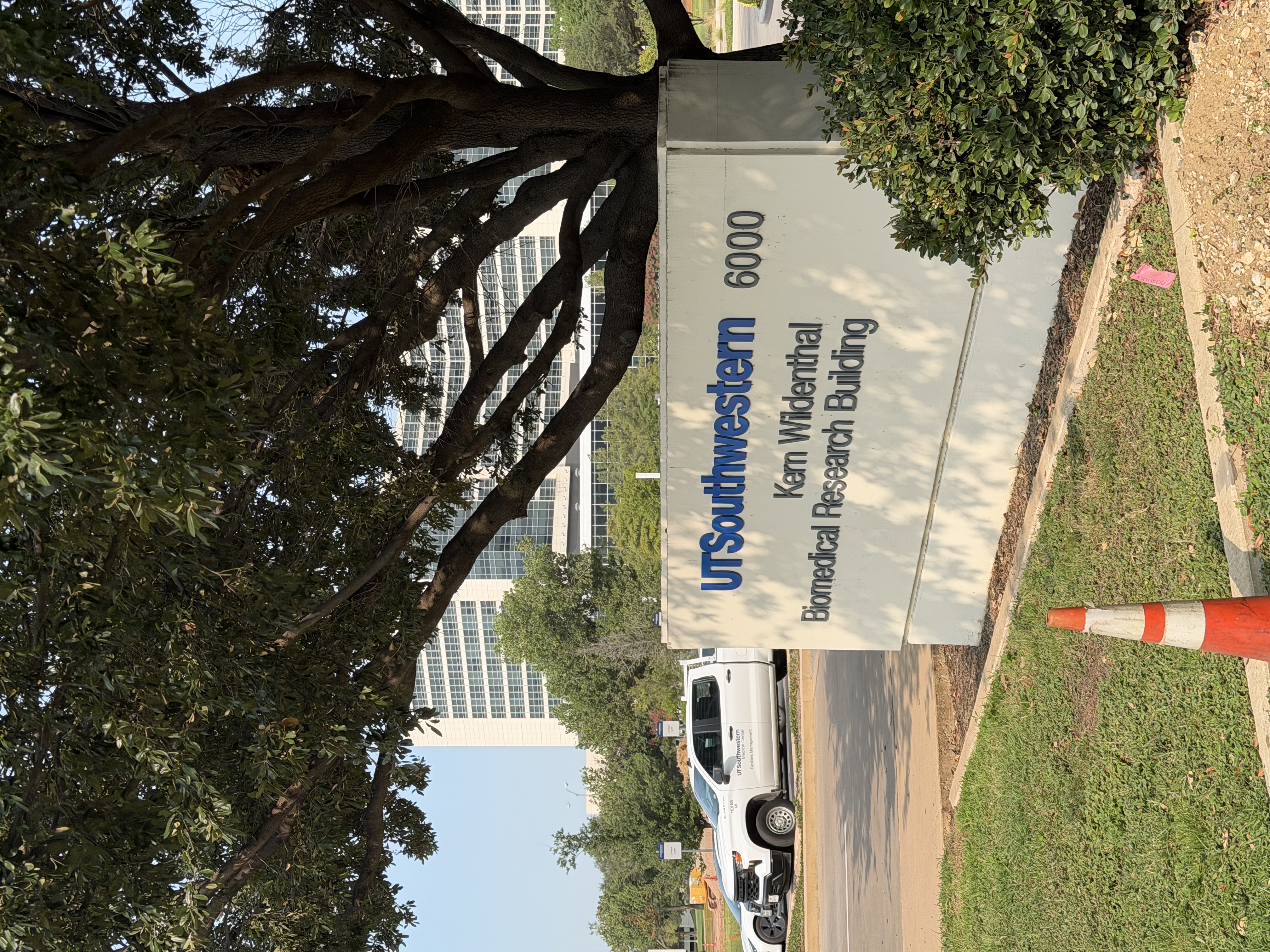
It’s been a month since I started my PhD in the US.
I’d already gone through grad school once, in Korea — but starting over in a new country, at a new school, in a new lab, surrounded by new people, turned out to be a very different experience than I expected.
The thing I felt most during that first month wasn’t “how much do I already know,” but rather “how fast can I learn and adapt in a new environment.”
So here are three things I worked out for myself over the course of that first month.
- How to adapt quickly in a new lab
- How to read papers
- How to make the most of rotations
1. How to Adapt Quickly in a New Lab
Walking into a new lab, it’s natural to feel like you’re the person who knows the least.
You don’t know who’s working on what, who’s running which experiments, where anything is, or even who to ask.
But the important thing here is not to assume that “I’m new, so someone will eventually walk me through everything.”
I think it matters much more to start thinking, from day one, about how I can actually contribute to this lab.
Proactiveness
The first keyword I keep coming back to is proactiveness.
In a new environment, instead of just asking “what can I do here?”, it’s worth pushing one step further and asking “what can I contribute here?”
The lab I’m in had recently relocated part of its group from New York City to Dallas.
Because of that, a lot of the lab still wasn’t fully set up when I arrived — there were supplies, equipment, and materials that needed to be organized and moved before research could run smoothly.
At first, I could have easily assumed this had nothing to do with my own research.
But once I actually thought about what I could do in a new lab, the picture changed.
If the lab isn’t fully functional yet, making it functional is itself something I can contribute.
These small tasks might look trivial, but they give you a real sense that you’re not just “the new student” — you’re a member of this space, contributing to it.
The same mindset applies to how I think about my own project.
If you’re joining a project that’s already underway, you have to keep asking yourself: “what is my job on this project, right now?”
If the project is already far along and the paper is close to being finished, for example, contributing doesn’t mean just repeating existing experiments.
You can also contribute by understanding what a reviewer raised during revision and running the additional experiments needed to address it.
A project that’s just getting started is a different situation entirely.
Since the hypothesis is still being built, it can matter more to use critical thinking to find the weaknesses in existing ideas and propose new directions.
In the end, I don’t think the question is just “what’s my assigned task?” — it’s “what does this project need most, right now?”
2. Pay Attention to What Other People Are Researching
Being in the same lab doesn’t mean everyone is working on the same research.
Different people are often chasing completely different questions, and looking into someone else’s work can surface a research interest you never would have thought of on your own.
So whenever I get the chance to have a meeting or a conversation with someone, I try to look into their research beforehand if I can.
What papers have they written, what are they studying now, what did they work on before — I try to know these things going in.
Instead of just asking “what do you work on?”, being able to ask “I saw that you previously worked on X, and now you’re studying Y. How did you make that transition?” completely changes the depth of the conversation.
And on top of that, having clearly done your homework on someone’s research makes a genuinely good first impression.
4. So How Should You Read Papers?
Walking into a new lab, you feel this pressure that you need to read an enormous number of papers.
But what I realized in my first month is that deciding what to read matters more than reading a lot.
I’ve been thinking about it in roughly three stages.
① First, Understand the Core of the Research You’re Part of
First, you need to understand the research theme that makes up the majority of your lab’s work.
Say, for example, you’re in a lab that centers its research on GATA2.
If you’ve been given a project on PD-1 marker expression within that lab, diving straight into PD-1 papers isn’t necessarily the best place to start.
You need to first understand “why is this lab interested in GATA2?”
What biological function does GATA2 have, what diseases is it connected to, what specific part of GATA2 does this lab study — these are things you need to learn first.
You need to know where your own project sits within the lab’s bigger picture.
② See How the Research Branches Out Within the Lab
Next, look at what questions can branch off from a single research theme.
Sticking with the GATA2 example, questions can keep branching out, like:
- How do GATA2 variants actually connect to phenotype?
- What immune phenotype does GATA2 deficiency produce?
- What changes show up in biomarkers other than PD-1?
- What other mechanisms could explain a given phenotype?
What matters at this stage isn’t just reading the papers — it’s reading while asking yourself, “what’s the next question in this line of research?”
③ Finally, Read Research Outside the Lab
Our lab isn’t the only one studying GATA2.
Researchers all over the world are approaching the same biological question in different ways.
So once you’re comfortable with what’s happening inside your own lab, it becomes important to look at how other groups are extending the same topic.
And here’s something I think matters in particular: reading papers with a focus on the people behind them.
Rather than just looking at a paper’s title and figures, it’s worth following: who first started this line of research? Where did that person go afterward, and what did they do? Where is the postdoc from that era now — have they become a PI? Who are the researchers who keep showing up again and again in this field, and how are they connected to each other?
Someone who was a postdoc writing a first-author paper in some lab ten years ago might now be an independent group leader.
Following that person’s papers in chronological order shows you how a scientific theme has actually developed over time.
Once you start reading papers this way, the field stops looking like a pile of disconnected papers and starts looking like a network of people and ideas connected to each other.
5. Finally, How to Make the Most of Rotations
In a US PhD, treating rotations as simply “a period to window-shop labs” wastes a genuinely valuable stretch of time.
And I think the right strategy here depends quite a bit on whether you’ve already been through grad school before.
If you don’t have prior grad school experience
I’d recommend experiencing as many different labs as possible and staying hands-on.
Actually running experiments yourself, and figuring out —
- which techniques you enjoy
- which research questions excite you
- which research environment fits you
— is something you genuinely need to experience directly.
There are things a lab website or a stack of papers simply can’t tell you.
If you already have grad school experience
If you already have some research experience, on the other hand, I think it can be a better strategy to stay more hands-off during rotations — rather than relearning everything from scratch — and instead observe the lab’s overall research direction and scientific environment.
If you’ve already run experiments before, the more important question now may not be “can I do this experiment?” but “what questions can I ask in this lab?”
You’re watching how the PI mentors people, how people discuss and debate with each other, how projects actually develop, and whether this is a place where you can grow in the long run.
Closing Thoughts
The biggest thing I’ve felt in my first month of a US PhD is that there’s no single right answer here.
Nobody hands you a checklist telling you exactly what to do.
So instead, you have to keep asking yourself questions.
What can I contribute to this lab? What don’t I understand about this research yet? What is everyone else working on? What paper should I read next? What question would push this research one step further?
In the end, what I learned this first month wasn’t really research knowledge itself — it was closer to learning how to move on my own as a researcher.
And I’m guessing that by month two, month three, I’ll be learning a different set of things entirely.
So I want to keep recording this, one month at a time — “what I’m newly learning in my US PhD.”
Next month, I’m guessing it’ll be about how to communicate with people.